Probiotics vs. Fermented Foods: What’s the Difference?
Ever wandered down the grocery store aisle and wondered about the difference between probiotics and fermented foods? You’re not alone. Many people think they’re the same, but they’re not. Both involve microorganisms but serve different purposes. Let’s break it down and see what each offers.
Key Takeaways
- Probiotics are live microorganisms that provide health benefits when consumed in adequate amounts.
- Fermented foods are made through microbial growth and enzymatic conversion, but not all contain probiotics.
- Probiotics can support digestive health, boost the immune system, and enhance nutrient absorption.
- Fermented foods may improve flavor, texture, and digestibility, and offer nutritional benefits.
- Choosing between probiotics and fermented foods depends on your health goals; sometimes, a combination is best.
Understanding Probiotics and Fermented Foods
Defining Probiotics
Alright, let’s dive into probiotics. These are the good guys—live microorganisms that hang out in your gut and help keep things balanced. Probiotics are like the friendly neighbors who always return your lawn mower. They’re found in supplements and some foods, and they have to be alive when you consume them. Why? Because they need to do their job in your belly, which includes supporting your digestive system and boosting your immune health.
Defining Fermented Foods
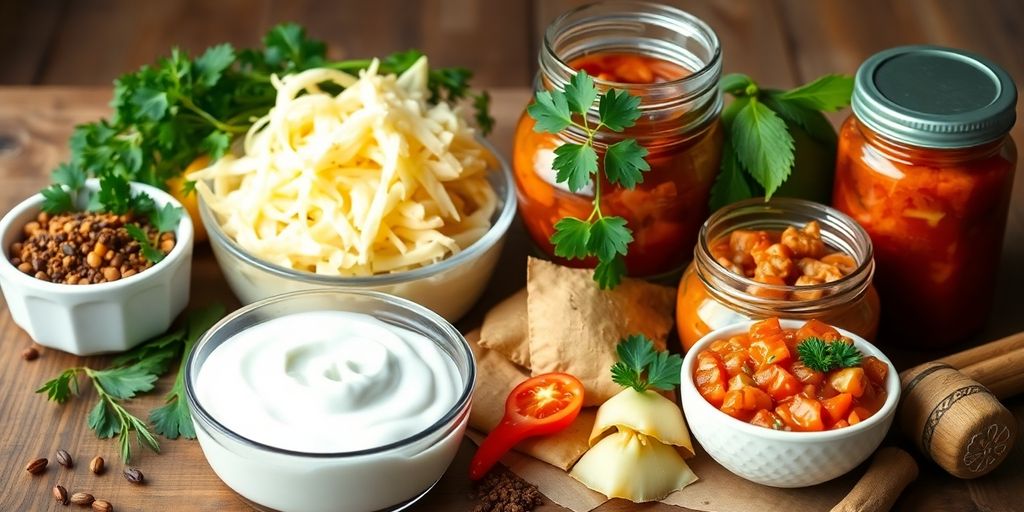
Now, fermented foods are a bit different. Think of them as the cool process where bacteria or yeast break down sugars in food. This process can make foods taste tangy or give them a longer shelf life. You’ve got your yogurt, sauerkraut, kimchi, and even some cheeses in this category. But here’s the kicker—not all fermented foods have probiotics. Some lose their live cultures during processing, like when they’re pasteurized or canned.
Key Differences Between Them
So, what’s the big difference? Well, while all probiotic foods are technically fermented, not all fermented foods are probiotics. It’s like saying all thumbs are fingers, but not all fingers are thumbs. Fermented foods might have live bacteria, but unless these bacteria are proven to benefit your health, they don’t get the probiotic badge. When you’re choosing between the two, check labels for “live and active cultures” to make sure you’re getting the probiotic boost you might be looking for.
Fermented foods add flavor and diversity to our diets, but only those with proven beneficial bacteria can be called probiotics. It’s all about knowing what you’re eating and what it can do for you!
For those of us who love exploring different tastes and textures, fermented foods are a treasure trove. And when we want to focus on gut health, reaching for probiotic-rich foods can be a smart choice. The trick is knowing what each does and picking the right one for your needs!
Remember, probiotics and fermented foods both have their place in a healthy diet. Whether you’re looking to spice up your meals or give your gut a helping hand, understanding these differences can help you make informed choices.
Health Benefits of Probiotics
Digestive Health Support
Alright, let’s chat about how probiotics are like the unsung heroes of our gut. These little guys help keep our digestive system running smoothly. Think of them as the friendly bacteria that live in our intestines, helping us break down food and absorb nutrients. When our gut is happy, we’re happy, right? Probiotics can really make a difference in reducing bloating, gas, and even those unexpected trips to the bathroom.
Immune System Boost
Now, onto the immune system. Probiotics don’t just hang out in our gut; they also play a role in keeping our immune system in check. Imagine them as tiny bodyguards, standing at the ready to fend off harmful invaders. By maintaining a balanced gut microbiome, probiotics help our body respond better to infections and illnesses. It’s like having an extra layer of defense without even trying!
Nutrient Absorption Enhancement
Finally, let’s talk about how probiotics help with nutrient absorption. Sometimes, even if we eat all the right foods, our bodies might not absorb all the nutrients. This is where probiotics come in handy. They help break down food into smaller, more absorbable components. So, whether it’s calcium, magnesium, or vitamin B12, probiotics make sure we’re getting the most out of what we eat.
Probiotics are more than just a trend. They’re essential for maintaining a balanced gut, supporting our immune system, and ensuring we get all the nutrients we need from our diet. It’s like having a little health boost in every bite!
Health Benefits of Fermented Foods
Nutritional Value and Digestibility
Fermented foods have a knack for boosting the nutritional punch of what we eat. When foods undergo fermentation, the process can actually increase the availability of nutrients. It’s like getting a little extra out of every bite! The microorganisms involved break down complex compounds into simpler ones, making it easier for our bodies to absorb essential nutrients. This means we get more bang for our buck nutritionally. Plus, some folks find that fermented foods are easier to digest. The fermentation process can reduce levels of certain compounds that might cause discomfort, like lactose in dairy products. So, if you’re lactose intolerant, you might find that yogurt or kefir is a friendlier option.
Flavor and Texture Improvement
Let’s talk taste. Fermentation doesn’t just make food healthier; it makes it tastier too! The process develops complex flavors and textures that can transform ordinary ingredients into something extraordinary. Think about the tangy bite of sauerkraut or the rich depth of miso. These flavors aren’t just for show—they’re a sign of the beneficial processes at work. Fermented foods often have a unique texture too, like the bubbly fizz of kombucha or the creamy smoothness of yogurt. These characteristics make fermented foods a delightful addition to our meals.
Potential Health Benefits
There’s a growing buzz around the potential health benefits of fermented foods. While they might not all meet the strict criteria of probiotics, many fermented foods contain live microorganisms that could be beneficial to our health. They can contribute to a healthy gut microbiome, which is linked to a whole host of health benefits. Some studies suggest they might help with digestion, boost our immune system, and even have positive effects on mental well-being. It’s exciting stuff! While more research is needed, there’s enough evidence to suggest that incorporating fermented foods into our diet is a smart move for our overall health. And let’s not forget, they might even help reduce cholesterol absorption, lowering the risk of atherosclerosis. Fermented foods are definitely worth a spot on our plates!
Common Misconceptions About Probiotics and Fermented Foods
Probiotics vs. Fermented Foods: Not the Same
Alright, let’s clear up a big one right off the bat. People often throw around the terms “probiotics” and “fermented foods” like they’re the same thing. But they’re not. Probiotics are specific live microorganisms that, when consumed in the right amounts, have proven health benefits. Fermented foods, meanwhile, are made through the action of microorganisms, but not all of them contain probiotics. For instance, yogurt might be a probiotic, but beer and bread, despite being fermented, aren’t.
Labeling Confusions
There’s a lot of confusion when it comes to labeling these foods. Sometimes, products are tagged as probiotic when they simply aren’t. This mislabeling can lead us to think we’re getting health benefits that we’re not. So, when you’re shopping, it’s wise to check if the product specifies the probiotic strains it contains. If it doesn’t, it might just be a tasty fermented food without the probiotic perks.
Understanding Live Cultures
Not all fermented foods have live cultures by the time they reach our plates. Many undergo processes that kill off these little guys. Take wine and beer, for example—they start with live cultures, but those are gone by the time you enjoy a glass. On the flip side, some foods like kimchi and non-pasteurized sauerkraut do keep their live cultures and can have a positive impact on our gut health.
“Fermented foods contribute a diverse array of microorganisms to the existing gut microbiota, thus having the potential to affect health.”
In conclusion, while both probiotics and fermented foods have their place in our diets, understanding the differences and reading labels carefully can help us make better choices for our health.
Choosing the Right Option for Your Diet
When to Choose Probiotics
So, you’re thinking about probiotics? Great choice if you’re targeting specific health goals. Maybe you’re dealing with digestive issues or you’re trying to boost your immune system. Probiotics can be your best friend when you’re looking to introduce beneficial bacteria directly into your system. They come in various forms, like capsules or powders, and even in some foods. Just remember to check the labels for the strains you need. Consider your health goals and what you’re trying to achieve.
When to Opt for Fermented Foods
Fermented foods are awesome if you want something more natural and less processed. They not only add a zing to your meals but also come packed with nutrients. Foods like kimchi, sauerkraut, and yogurt bring flavor and health benefits together. Plus, they can enhance gut health by diversifying beneficial bacteria. It’s like getting a two-for-one deal. Regularly consuming fermented foods might just be what your gut needs.
Combining Both for Optimal Health
Why choose when you can have both? Mixing probiotics and fermented foods can give you the best of both worlds. You get the targeted benefits of probiotics along with the natural goodness of fermented foods. It’s like having a balanced diet with a little extra kick. Just be mindful of how your body reacts, as everyone’s system is different. If you’re new to this, start slow and see how it goes.
Balancing probiotics and fermented foods in your diet can offer a host of health benefits. It’s about finding what works for you and sticking with it. Remember, it’s not a one-size-fits-all, so feel free to experiment and enjoy the journey to better health.
Examples of Probiotic and Fermented Foods
Popular Probiotic Foods
Let’s dive into some of our favorite probiotic foods that are not only delicious but also great for our gut health. Yogurt is probably the most well-known probiotic food. It’s packed with live cultures like Lactobacillus and Bifidobacterium, which help with digestion and lactose intolerance. Then we have kefir, a tangy, fermented milk drink that’s like yogurt’s bubbly cousin. It’s loaded with probiotics and can be a refreshing addition to your diet. Sauerkraut, made from fermented cabbage, is another fantastic option. It’s not just a tangy topping for your hot dog but a probiotic powerhouse.
Common Fermented Foods
Fermented foods are everywhere, and they’re not all about probiotics. Let’s take a look at some common ones. Kimchi, a spicy Korean side dish made from fermented vegetables like cabbage and radishes, is a staple in many households. It’s flavorful and offers potential health benefits. Miso, a fermented soybean paste, is used in soups and sauces, adding a rich umami flavor to dishes. Then there’s sourdough bread, which, although fermented, doesn’t necessarily pack the probiotic punch but is loved for its unique taste and texture.
Foods That Are Both
Some foods do double duty, offering both fermentation and probiotics. Yogurt and kefir, as mentioned earlier, are prime examples. They’re fermented and contain live probiotic cultures, making them a great choice for those looking to improve gut health. Another example is kombucha, a fermented tea that’s become quite popular. It’s fizzy, slightly sweet, and contains probiotics, making it a trendy choice for health enthusiasts.
“Incorporating a variety of fermented and probiotic foods into our diet can be a tasty way to support our gut health. Whether it’s the tangy taste of sauerkraut or the creamy texture of yogurt, these foods offer a range of flavors and health benefits.”
Probiotic and fermented foods are great for your health! They can help your gut feel better and improve your overall wellness. If you want to learn more about these amazing foods and how they can benefit you, visit our website for tips, recipes, and more!
Wrapping It Up: Probiotics vs. Fermented Foods
So, there you have it! While probiotics and fermented foods both involve those tiny microorganisms, they aren’t quite the same thing. Probiotics are like the superheroes of the gut world, specifically chosen and proven to give your health a boost. Fermented foods, on the other hand, are more like the tasty sidekicks—they might help, but they’re not guaranteed to have the same benefits. That doesn’t mean you should skip them, though! Including both in your diet can be a great way to keep your gut happy and healthy. Just remember to check those labels if you’re looking for specific probiotic benefits. At the end of the day, it’s all about balance and variety in your diet. Cheers to a healthy gut!
Frequently Asked Questions
What are probiotics?
Probiotics are tiny living things called microorganisms. When you eat them in the right amounts, they can be good for your health, especially your tummy.
What are fermented foods?
Fermented foods are foods that have been changed by tiny living things. This process can make the food taste different and sometimes even healthier.
Are all fermented foods probiotics?
No, not all fermented foods are probiotics. Only some have enough of the good microorganisms to be called probiotics.
Can I eat fermented foods instead of taking probiotics?
Eating fermented foods can be good for you, but they might not work the same way as probiotics. Sometimes, you might need both for the best health benefits.
Do probiotics help with digestion?
Yes, probiotics can help your tummy feel better. They help break down food and keep your gut healthy.
Are yogurt and cheese probiotics?
Yogurt can be a probiotic if it has live cultures. Cheese is fermented but not always a probiotic. Check the label to be sure.